Examining CoComelon: How Musical Programming Supports Early Childhood Learning

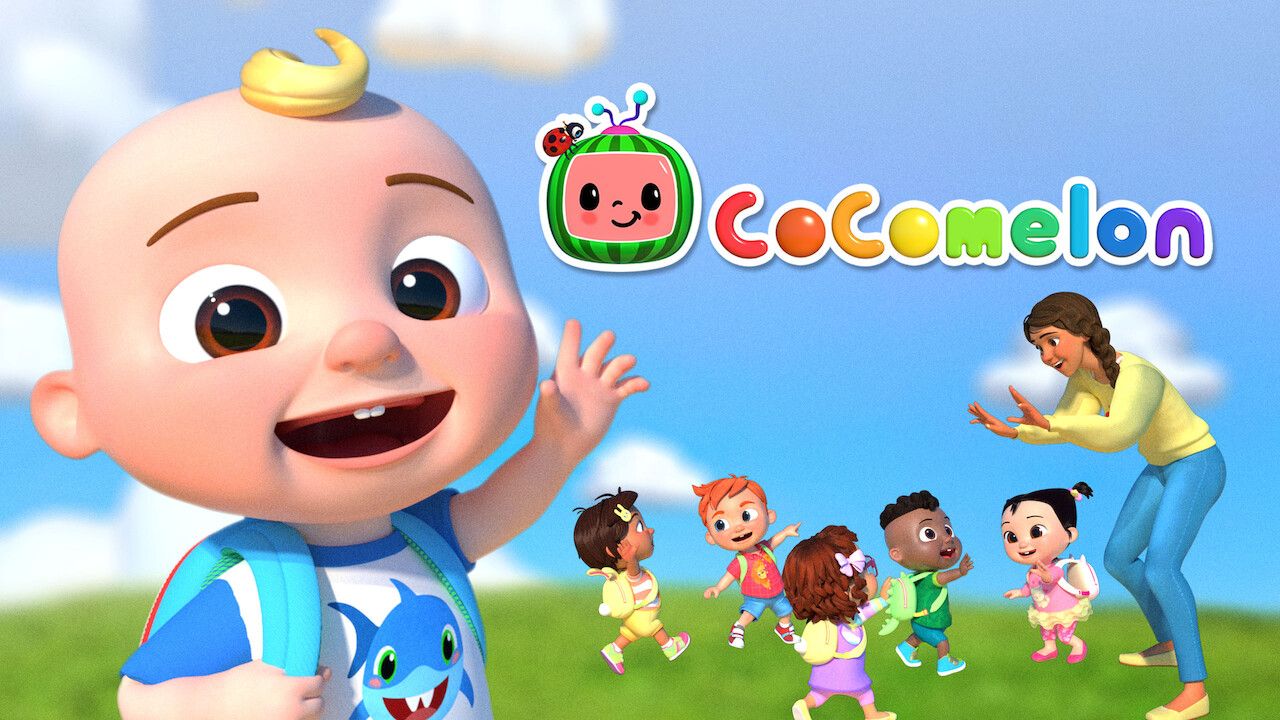
Parents constantly face decisions about which children’s programming delivers genuine developmental value rather than mere distraction. The animated musical series CoComelon has become a subject of considerable interest among families and researchers examining how strategically crafted educational content can foster early childhood development through musical learning frameworks.
The educational foundation that sets CoComelon apart from traditional children’s programming lies in its deliberate partnership with child development specialists. This collaboration ensures content creation aligns with recognized developmental milestones across various age groups, transforming musical entertainment into targeted educational tools that address specific learning needs and growth objectives.
Richard Hickey from Moonbug Entertainment describes how the series draws upon educational practices that teachers and families have trusted successfully across generations. CoComelon utilizes music, repetition, and storytelling methods that have proven effective in supporting how children naturally acquire knowledge. This intentional design ensures every musical element serves specific educational purposes rather than providing arbitrary entertainment content.
The series addresses critical developmental domains through character-based narratives featuring JJ and his friends navigating everyday experiences. Social-emotional learning receives substantial focus as children observe characters managing emotional situations, interpersonal challenges, and family relationships. These storylines offer children accessible models for understanding their personal emotional experiences and developing appropriate coping strategies.
Research published in Child Dev demonstrates that stimulating parenting practices and enriched home environments can promote sustained positive development, which may include thoughtfully selected media content that supports learning objectives. When caregivers engage with children about situations portrayed in CoComelon, these discussions create valuable opportunities for emotional intelligence growth and enhanced social comprehension.
The practical effectiveness of CoComelon becomes most evident through its routine-centered approach. Daily activities that frequently create family tension are reimagined as musical learning opportunities, transforming potential stress points into collaborative experiences. The remarkable viewing statistics for routine-based content demonstrate their genuine utility in real family environments.
Personal hygiene routines receive musical support through “The Bath Song,” which has accumulated nearly 7 billion views as families incorporate its framework into daily cleansing activities. This method converts potentially resistant experiences into anticipated musical interactions that children associate with enjoyment rather than obligation.
Sleep transitions benefit from “Yes Yes Bedtime Song,” gathering over 1.7 billion views as parents utilize its soothing, predictable structure to signal rest periods. The musical cues help children mentally prepare for sleep, smoothing the often-difficult shift from active play to nighttime quietude.
Nutritional challenges receive attention through “Yes Yes Vegetables,” which has collected more than 3.3 billion views by establishing positive associations with healthy eating. This musical strategy eliminates mealtime conflicts while encouraging nutritious choices through engaging interaction rather than coercive methods.
Language acquisition benefits from CoComelon’s repetitive musical structure, which creates favorable conditions for vocabulary enhancement and language pattern development. The show’s format leverages established research showing how rhythm and repetition support early language learning during critical developmental windows.
Thoughtful implementation requires consideration of age-appropriate content selection. CoComelon encompasses developmental stages from fundamental nursery rhymes suitable for infants through more sophisticated narratives designed for preschool-aged children, enabling families to choose content matching their child’s current developmental capabilities and needs.
The American Academy of Pediatrics recommends limiting screen exposure for children ages 2-5 to one hour daily of quality programming, preferably viewed with parental participation. This guidance supports the balanced methodology promoted by child development specialists working with CoComelon, emphasizing that media consumption should complement rather than substitute for physical activity, social engagement, and adequate rest.
Quality programming also provides meaningful assistance to caregivers managing early childhood demands. Current statistics indicate 41% of parents experience daily stress levels that substantially impact their functioning, illustrating the considerable challenges contemporary families face in their parenting journey.
CoComelon recognizes these pressures by offering practical support through accessible musical resources that help families navigate routine difficulties. This assistance acknowledges that parenting involves complex responsibilities that benefit from supportive tools rather than additional judgment or unrealistic expectations.
The series operates most effectively as part of a comprehensive developmental approach. When integrated thoughtfully into balanced routines and combined with engaged parental involvement, educational programming contributes meaningfully to early childhood learning while supporting overall family wellbeing and harmony.
Rather than evaluating children’s media through simple beneficial or harmful categories, parents achieve better outcomes by understanding these resources as components of broader developmental strategies. Quality programming provides distinct advantages in routine establishment, emotional skill building, and language enhancement that work alongside essential human connection, physical activity, and diverse learning experiences.