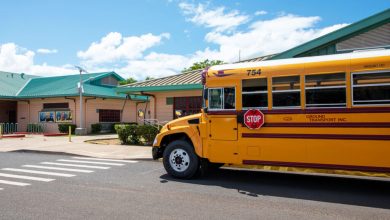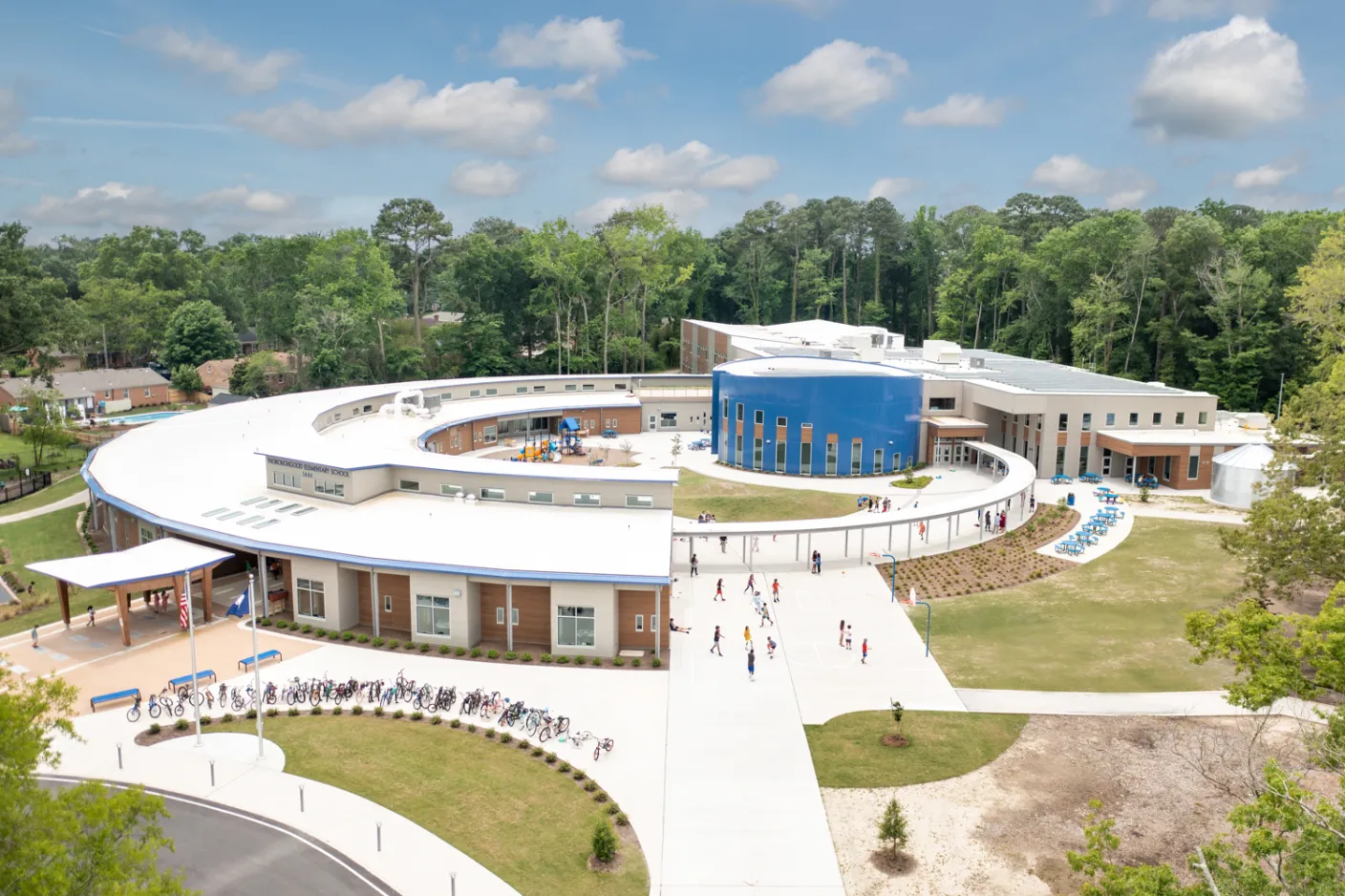
Schools are the backbone of every developed society. They shape knowledge, expand perspectives, and help children grow into capable adults. A school’s role today extends far beyond academics—it nurtures social skills, emotional resilience, and essential life competencies.
What Is a School?
A school is an organized learning institution designed to educate students under the guidance of trained professionals. It provides a structured environment where learners gain academic knowledge, participate in social interactions, and develop personal and civic values.
Key Functions of a School
1. Academic Development
Schools build foundational literacy, numeracy, and subject-based understanding through:
-
Structured curriculum
-
Age-appropriate instructional methods
-
Regular assessments
-
Teacher-led classroom interaction
2. Social and Emotional Growth
Beyond textbooks, schools help children learn to:
-
Cooperate and work in teams
-
Resolve conflicts respectfully
-
Communicate effectively
-
Build confidence and resilience
3. Skill Formation for Future Careers
Modern education systems emphasize:
-
Problem-solving
-
Critical thinking
-
Digital literacy
-
Creativity and innovation
4. Character Building
Schools instill shared values such as:
-
Integrity
-
Respect
-
Responsibility
-
Empathy
These values shape students into responsible citizens.
Types of Schools
Public Schools
State-funded institutions offering free education. They typically follow standardized curricula and admit students from diverse backgrounds.
Private Schools
Independently managed and funded through tuition fees. They often provide specialized programs, smaller class sizes, or advanced learning environments.
Boarding Schools
Students live on campus, gaining more structured routines and immersive educational experiences.
International Schools
These institutions follow global curricula such as:
-
IB (International Baccalaureate)
-
Cambridge Assessment
-
American Curriculum
They cater especially to expatriate communities or families seeking international exposure.
Special Needs Schools
Designed to support learners with disabilities or developmental challenges using specialized tools, therapies, and trained educators.
Components of a Well-Functioning School
Qualified Teachers
Educators guide learning, motivate students, and adapt techniques for different needs.
Supportive Learning Environment
A healthy environment includes:
-
Safe classrooms
-
Accessible facilities
-
Collaborative culture
-
Strong leadership
Balanced Curriculum
An effective curriculum blends academics with:
-
Arts
-
Sports
-
Technology
-
Life skills
Parental and Community Involvement
Strong partnerships between schools and families reinforce student development.
Challenges Modern Schools Face
1. Technological Gaps
Unequal access to digital devices limits learning opportunities, especially in under-resourced areas.
2. Overcrowded Classrooms
Large student numbers reduce teacher attention and affect overall learning quality.
3. Mental Health Concerns
Students face increasing academic pressure, social issues, and emotional stress requiring better support systems.
4. Teacher Shortages
Many regions struggle to hire and retain skilled educators due to workload and low wages.
5. Curriculum Alignment
Keeping curricula relevant in a fast-changing world remains an ongoing challenge.
The Future of Schooling
Blended Learning
A combination of digital tools and traditional teaching will shape future classrooms.
Personalized Education
AI-assisted systems will help tailor learning paths to individual strengths and weaknesses.
Skill-Oriented Learning
Future schools will increasingly prioritize:
-
Entrepreneurship
-
STEM fields
-
Emotional intelligence
-
Global citizenship
Eco-Friendly Campuses
Green buildings, outdoor learning, and sustainability-focused activities will become standard.
FAQs
1. What age do children typically start school?
Most children begin formal schooling between ages 4 and 6, depending on the country’s education system.
2. Why is school attendance important?
Regular attendance ensures consistent learning, social development, and academic progress.
3. What role do parents play in a child’s education?
Parents support learning at home, communicate with teachers, and help reinforce school values.
4. How do schools support students with learning difficulties?
They use individualized education plans, specialized teachers, therapy services, and adaptive tools.
5. What makes a school curriculum effective?
A relevant, balanced curriculum that adapts to real-world needs and promotes holistic growth.
6. How is technology changing education?
Digital tools enable interactive lessons, remote learning, personalized feedback, and wider access to resources.
7. Are extracurricular activities necessary for students?
Yes. They enhance creativity, teamwork, leadership, and emotional well-being beyond classroom learning.